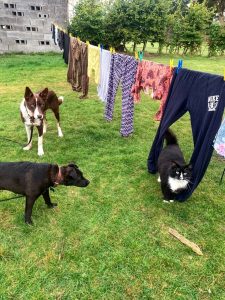
Understanding Common Dog Behaviours: From Digging and Chasing to Searching and Retrieving
Dogs are fascinating companions with instincts and behaviours that have been shaped over thousands of years. While some actions may seem puzzling or frustrating to owners, many canine behaviours have natural roots. By understanding why dogs dig, chase, search, and retrieve, we can better meet their needs and strengthen the bond we share with them.
Why Do Dogs Dig?
Few dog owners enjoy finding holes scattered across their garden, however digging is a completely natural behaviour for many dogs.
Dogs may dig for several reasons:
- Instinct: Some breeds, such as terriers, were originally bred to hunt small animals underground.
- Comfort: Dogs may dig to create a cool place to rest during warm weather.
- Entertainment: Bored dogs often create their own activities when they lack mental or physical stimulation.
- Stress Relief: Digging can be a way for dogs to release energy or cope with anxiety.
- Hiding Treasures: Some dogs bury toys, treats, or other prized possessions for later.
Rather than punishing digging, provide appropriate outlets such as designated digging areas, interactive toys, and regular exercise.
The Thrill of the Chase
Many dogs instinctively love to chase moving objects. Whether it’s a ball, a squirrel, or a bicycle, chasing behaviour is linked to a dog’s natural prey drive.
Common triggers include:
- Moving animals
- Fast-moving objects
- Running people
- Toys thrown by their owners
While chasing can be harmless during games, it can become dangerous if dogs pursue wildlife, vehicles, or cyclists. Teaching reliable recall and providing structured play sessions can help channel this instinct safely.
Searching: A Dog’s Superpower
Dogs experience the world primarily through their noses. In fact, their sense of smell is far more powerful than ours, which explains why searching and scenting are such rewarding activities for them.
Dogs naturally enjoy:
- Following scent trails
- Locating hidden treats
- Searching for toys
- Identifying people by scent
Scent-based games provide excellent mental stimulation. Simple activities such as hiding treats around the home or garden encourage natural behaviours and help build confidence.
Retrieving: More Than Just Fetch
Retrieving is one of the most recognizable canine behaviours. Many breeds, particularly retrievers, were developed to locate and bring back game for hunters.
Retrieving activities offer several benefits:
- Physical exercise
- Mental engagement
- Improved focus
- Stronger owner-dog relationships
- Positive reinforcement opportunities
Not every dog will instinctively fetch, but many can learn to enjoy retrieving games through patient and positive training.
Encouraging Healthy Natural Behaviours
Natural behaviours should be encouraged in appropriate ways rather than discouraged altogether. Dogs thrive when given opportunities to express their instincts safely.
Consider:
- Daily walks and exercise
- Puzzle feeders and enrichment toys
- Scent games and search activities
- Structured fetch sessions
- Positive reinforcement training
- Breed-appropriate activities
When dogs have suitable outlets for their energy and natural instincts, they are often happier, more relaxed, and less likely to develop unwanted behaviours.
When Behaviour Becomes a Concern
While digging, chasing, searching, and retrieving are normal behaviours, excessive or obsessive actions may indicate an underlying issue such as boredom, stress, anxiety, or unmet exercise needs.
If a behaviour becomes destructive, dangerous, or difficult to manage, seek advice from a qualified veterinarian or accredited animal behaviour professional. Early support can make a significant difference to a dog’s wellbeing.
Conclusion
Understanding why dogs dig, chase, search, and retrieve helps us appreciate the instincts that make them unique. By providing positive outlets for these natural behaviours, owners can enrich their dogs’ lives, reduce behavioural problems, and build stronger, happier relationships with their four-legged companions.
At Mayo SPCA, we encourage all pet owners (and those looking to adopt) to learn about their dog’s natural behaviours and provide enriching opportunities that support both physical and emotional wellbeing. A stimulated dog is often a healthier, happier dog.